Observable evidence
Location, timing, frequency, changes, damage, sounds, travel, and conditions around the activity.
A complete route looks beyond the animal sighting to evidence, access, storage, food and water, building gaps, monitoring, and repair responsibility.
The exact process depends on the concern, site, access, evidence, applicable law, licenses, labels, and the provider’s verified capabilities.
Location, timing, frequency, changes, damage, sounds, travel, and conditions around the activity.
Access, moisture, food, storage, vegetation, penetrations, adjacent spaces, and maintenance.
Identification confidence, preparation, exclusions, alternatives, product information, and responsible parties.
Monitoring, response measures, repairs, records, next review, and what would change the plan.
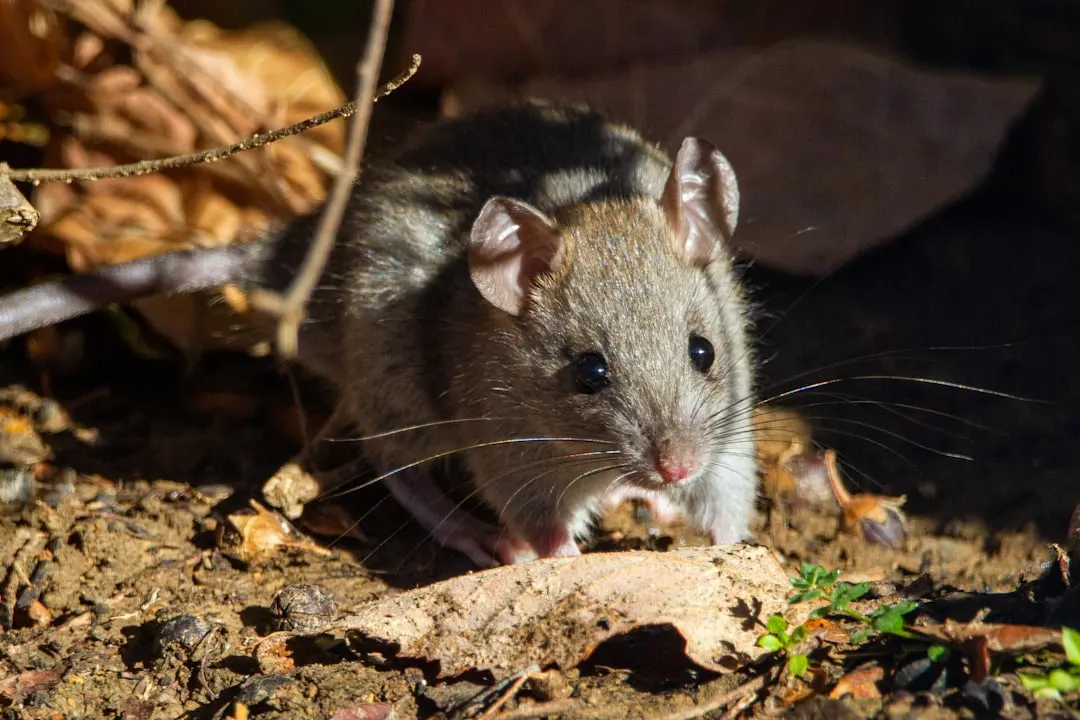
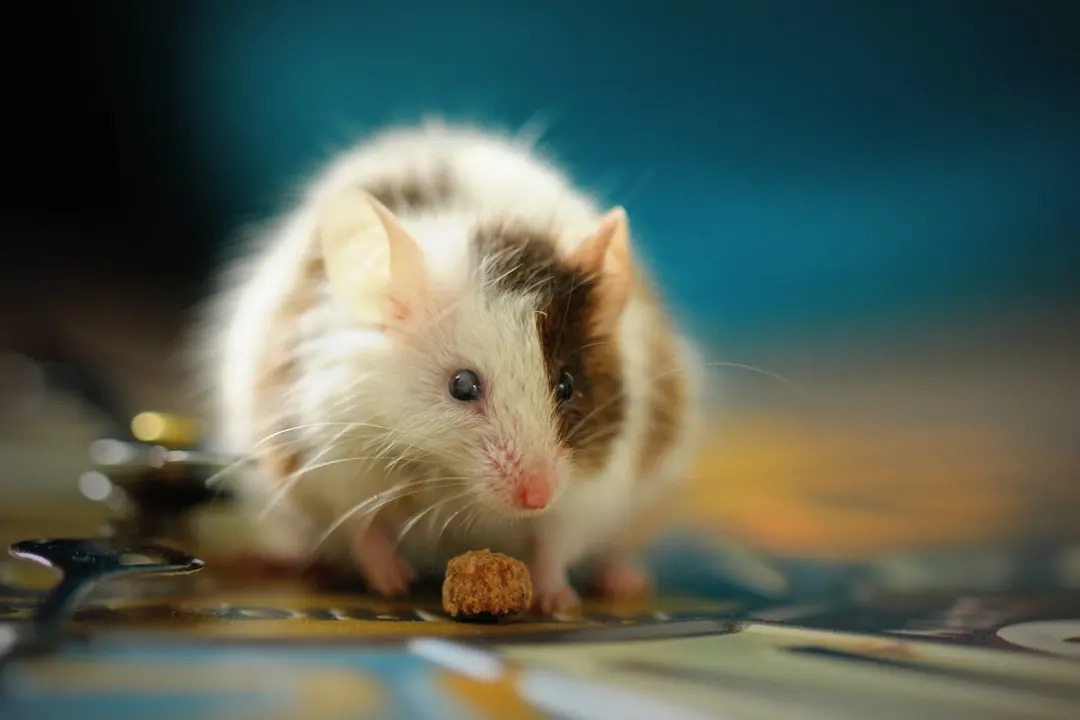
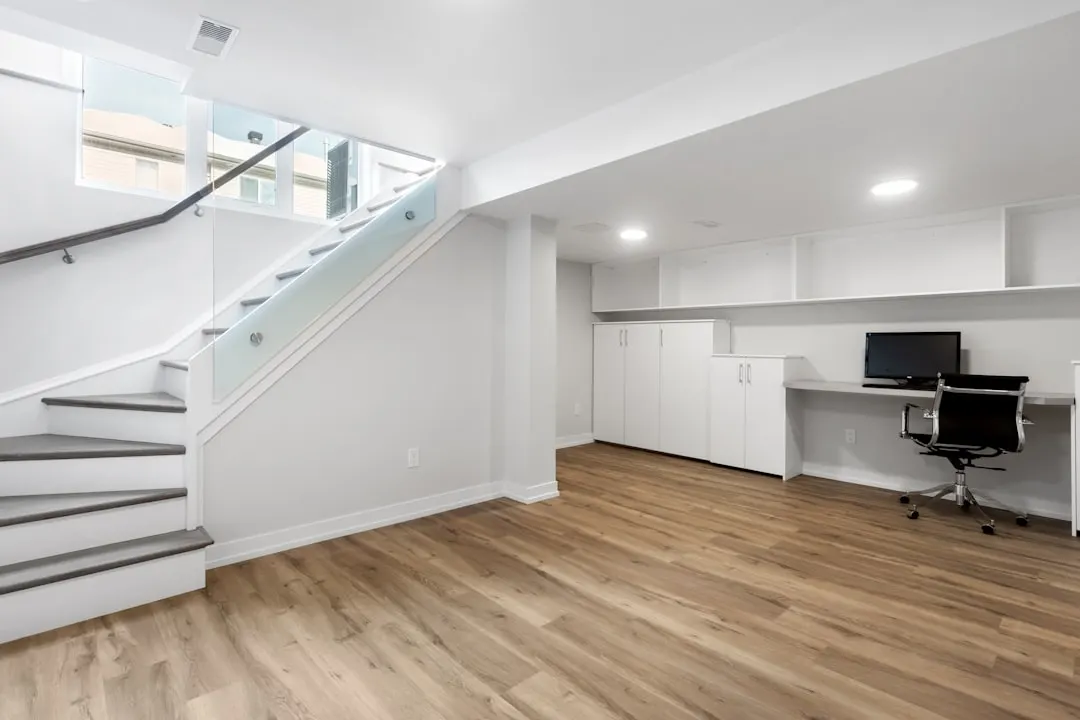
This fictional site cannot identify a pest, recommend pesticide use, promise an outcome, or replace a property-specific inspection. Real providers must follow applicable licensing, labels, law, safety requirements, and a written scope. See EPA consumer guidance.
A real provider should consider whether animals may be inside, what the opening serves, building materials, ventilation, and repair responsibility.
Removing an animal and correcting the conditions that permit repeat entry are separate parts of the problem.
That varies by provider and scope. Inspection, pest service, cleaning, remediation, and construction work may require different qualified parties.